Loyalty Is a Leak: How Homer Bets Quietly Drain Your Bankroll
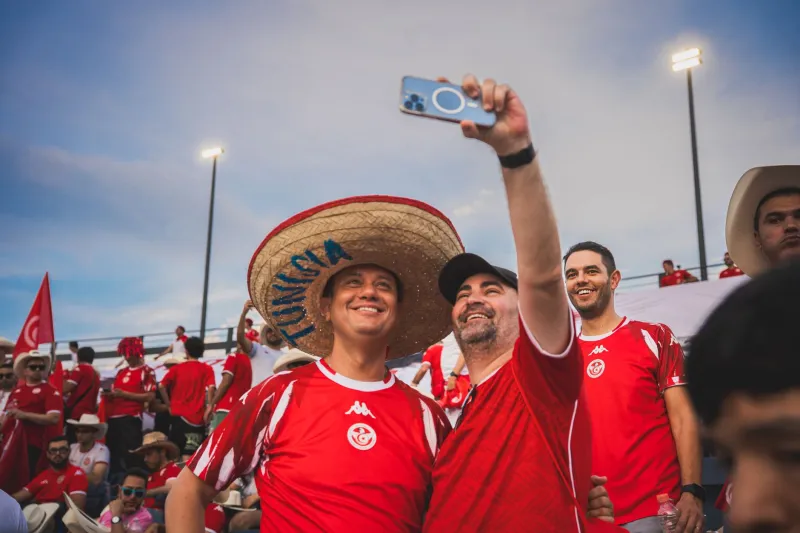
Every NFL Sunday, thousands of American bettors open an app, find their team, and smash the bet. Not because the number is generous. Not because the matchup screams value. Because the logo is theirs. That habit has a price, and it is usually steeper than fans want to admit.
Call it the fan tax: the extra juice you pay when emotion does the handicapping. It shows up in bad lines, oversized stakes, and parlays built on hope. And unlike a bad beat, it does not announce itself. It just quietly leaks money out of your bankroll week after week.
The Quiet Premium on Public Love
Sportsbooks do not need a crystal ball to profit from your fandom. They need volume. When a popular team—think the Cowboys, Lakers, Yankees, Chiefs, or any college program with a national following—shows up on the board, the public tends to lean one way. Books see that money coming and adjust.
That adjustment is not always dramatic. Sometimes it is half a point. Sometimes it is a full point or more. But half a point is not nothing. In a league where games land on the number constantly, buying a bad number is a real cost. If a line opens at Cowboys -2.5 and closes at -4 because the public keeps pounding Dallas, the bettor who took -4 did not just make a pick. They paid a premium for wearing team colors.
This is the part that stings: you can win the bet and still have made a bad bet. A cover is a cover, but process matters over time. Paying -4.5 when the fair price was -3 is like overpaying for a plane ticket because you refused to compare fares. The trip might go fine. The habit still costs you.
Your Brain Wears Team Colors
Homer bias is not a character flaw. It is a cognitive shortcut with a jersey on. Fans consume more news about their team, remember the dramatic wins, and file away the ugly losses under “bad luck.” That selective memory makes the team feel more predictable than it is.
Research on fan behavior has shown this for years: supporters overestimate their team’s chances, discount injury news, and treat rivalry games as proof of some mystical edge. The market does not care about your childhood memories. It cares about roster health, rest, travel, weather, officiating tendencies, and where the money is going.
There is also the emotional arousal problem. When your team is involved, you are not calmly evaluating a number. You are watching a game that raises your heart rate. That is a terrible time to make a financial decision. The same brain that screams “we need this win” is not the brain that should be sizing a wager.
The Number Does Not Care About Your Childhood
Here is a scenario that plays out every fall. Your team is a home underdog against a division rival. You think, “We always play them tough.” So you bet the moneyline. But the market already knows these teams hate each other. It has priced in the rivalry, the short week, and the fact that your starting corner is questionable. Your “insight” is not an insight. It is a feeling with a betting slip attached.
Or take March Madness. Your alma mater makes the tournament, and suddenly every bracket conversation becomes a betting opportunity. You take them to cover against a better seed because “they have heart.” The market has heart factored into the seed, the metrics, and the injury report. What it does not have is your sentimental attachment.
The fan tax also shows up in same-game parlays. You want your team to win, your quarterback to throw for 300 yards, and your receiver to score. So you bundle all three at a price that looks like a lottery ticket. The sportsbook loves this version of you: emotional, optimistic, and willing to accept a worse payout for a storybook outcome.
Three Rules That Separate Fandom From Bankroll
You do not have to stop being a fan. You just have to stop letting fandom set the price. Start with a logo-swap test. Before you bet your team, ask a simple question: if the same number were attached to a team you do not care about, would you still bet it? If the answer is no, you are not handicapping. You are decorating.
Second, track the closing line. If you bet your team early and the line moves in your favor, fine. If it moves against you because the public is piling on, you are probably paying the fan tax. A simple note in your bet tracker—open line, bet line, closing line—will show you the pattern fast.
Third, set a fan tax cap. Give yourself a small, pre-decided slice of your monthly betting budget for emotional bets. Maybe it is 5%. Maybe it is one unit a week. The exact number matters less than the boundary. When the cap is gone, you watch the game like a fan and bet like a grown-up. No reloads. No “one more” after a bad beat.
A Better Way to Wear the Jersey
Betting your team is not automatically wrong. There are times when the number is genuinely fair, the matchup is misunderstood, and your extra knowledge actually matters. But those are exceptions, not a weekly ritual. The disciplined move is to separate the entertainment of fandom from the math of betting.
If you want action on your team, keep it small. Avoid building parlays around your own emotions. And never chase a loss by doubling down on the same team because “they owe you one.” Teams do not owe you anything. The sportsbook, however, is happy to keep accepting your loyalty deposits.
At QH88F8 VIP, the play is simple: Play Bold. Win Big. Bet Smarter. That means cheering loud for your team and betting with a clear head—even when your heart is wearing the jersey.