The Patchwork Play: Where Americans Can Legally Bet Online in 2026 — and Which States Are Next in Line
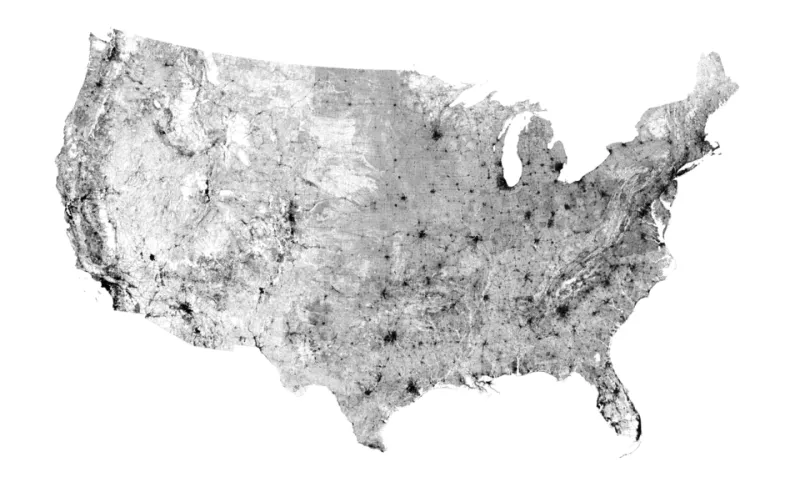
Photo: WClarke, CC BY-SA 4.0, via Wikimedia Commons
If you've ever crossed a state line and watched your betting app suddenly go dark, you already know the deal: there is no single American online gambling market. There are dozens of them, each written by its own legislature, regulated by its own commission, and taxed at its own rate. For players, that patchwork creates real confusion — and real risk. Here's where things stand in 2026, and where the map is likely to shift next.
The States Where the Doors Are Already Open
Online casinos — the full package of slots, blackjack, roulette, and live dealer tables — remain the rarest license in America. Only a handful of jurisdictions allow them: New Jersey, Pennsylvania, Michigan, West Virginia, Connecticut, Rhode Island, and Delaware. Add Nevada's poker-only setup and you've got the complete list. That's fewer than ten states covering real-money casino play out of fifty.
Sports betting is a different animal entirely. Since the Supreme Court cleared the way in 2018, more than thirty states plus Washington, D.C. have launched legal mobile sportsbooks. The heavyweights — New York, Ohio, Arizona, Colorado, Illinois — pull in billions in annual handle. If you live in a major metro area outside of Texas, California, or the Southeast, chances are good you can legally open an account within minutes.
The takeaway? Sports betting went mainstream fast. Online casinos are still crawling through statehouses one session at a time.
The 2025–2026 Legislative Watch List
Every year, a fresh batch of bills gets introduced, and a few keep gaining momentum. Keep an eye on these:
- Maryland — Sports betting is live, and online casino bills keep resurfacing with growing legislative support. Many analysts see Maryland as the most likely next full-casino state.
- Illinois — Already a sports betting giant, with recurring proposals to add iGaming and plug budget gaps.
- Indiana and Iowa — Both have mature sportsbook markets and study commissions actively examining online casino revenue projections.
- New Hampshire and Vermont — Small populations, but New England neighbors are watching Connecticut's rollout closely.
Meanwhile, the two biggest prizes remain locked. California's tribes have fought off multiple sports betting ballot measures, and Texas shows no legislative appetite despite enormous demand — Texans are estimated to account for a massive share of offshore sportsbook traffic. Until those two move, the map stays incomplete.
Life in the Gray Zone
So what are players supposed to do in states without legal options? This is where honesty matters more than hype.
Offshore casinos operating without US licenses exist in a regulatory void. They aren't illegal for players to use in most states — but they offer none of the protections a state-licensed site provides. No dispute resolution. No audited payout percentages. No guarantee your withdrawal ever arrives. Our previous coverage of shady operators applies double here.
The safer middle ground is sweepstakes and social casino models, which operate under a different legal framework (more on that in our companion piece). They're not the same as a licensed real-money casino, but they're at least operating in the open.
Why Legalization Is Good News for Players
Some bettors grumble that regulation means taxes and verification headaches. Fair — but weigh that against what regulation buys you:
- Guaranteed payouts. Licensed operators post bonds and submit to audits. Your balance is your balance.
- Fair games. RNG testing is mandatory and ongoing in every regulated state.
- Real consumer tools. Deposit limits, self-exclusion, and cool-off periods are built in, not buried.
- Recourse. If a regulated site wrongs you, you can file a complaint with an actual regulator who can fine them.
The gray market can't offer any of that. When your state legalizes, the smart play is simple: come inside the tent.
The Bottom Line for 2026 Bettors
The direction of travel is unmistakable — more states, more licenses, more revenue — but the pace is glacial, and no one should bet on their own state legalizing next session. Check your state's current rules before depositing anywhere, stick to licensed operators where they exist, and treat offshore sites as exactly what they are: unprotected.
The map is expanding. Play where the rules protect you.